Urban: Graffiti Lettering for Real Projects
As a designer and embroidery product reviewer, I’ve seen my fair share of digital files that look great on screen but fall apart in real-world use. Urban is one of those designs that immediately caught my attention—not just for its bold visual style, but for how it could translate into practical, usable projects. Let’s break down what makes this graffiti lettering typography art illustration stand out, and where it might need some careful handling.
The First Impression: Bold, Edgy, and Ready to Stitch
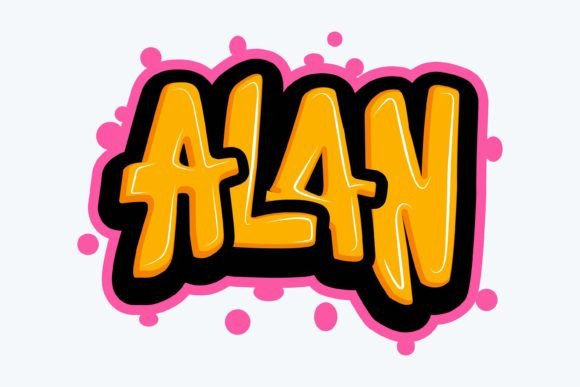
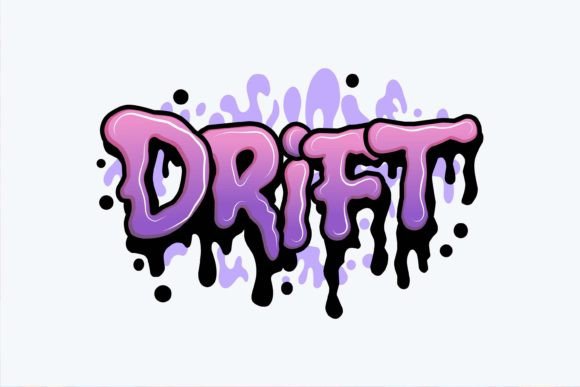
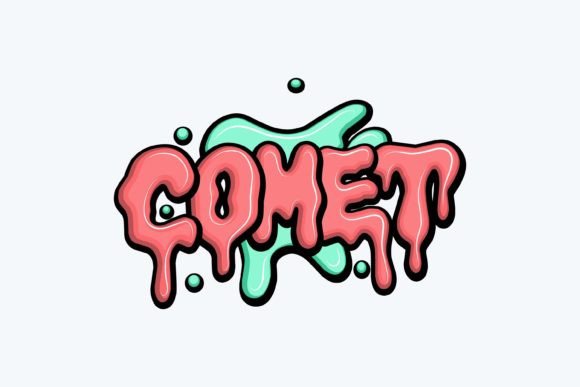
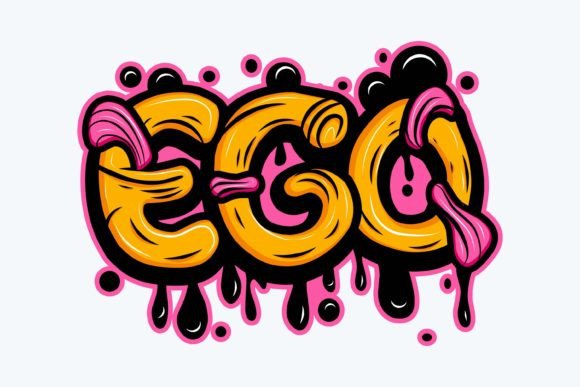
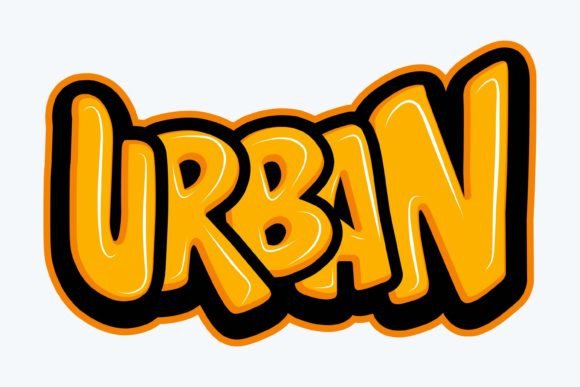
Urban has a raw, urban vibe that screams street art. The lettering is thick, confident, and layered with a sense of movement that feels almost like it was spray-painted onto a wall. The design’s layout is clean but dynamic, with enough detail to make it visually interesting without being overwhelming. It’s the kind of design that would work well as an embroidered patch, a tote bag design, or even a sweatshirt graphic.
What stands out most is the level of detail in the letterforms. The edges are sharp, and the texture gives it a tactile feel that translates well into machine embroidery. This isn’t just a simple text overlay—it’s a full-on typographic statement.
Real-World Use: From Tote Bags to Baby Onesies
I tested Urban on a few different fabrics and projects to see how it performed. On a standard cotton tote bag, it looked great—clean, clear, and bold. The stitch density was appropriate, and the design didn’t get lost in the fabric. For a custom apparel project, Urban would be perfect for a sweatshirt or t-shirt design, especially if you’re going for a modern, edgy aesthetic.
But there are some caveats. On smaller hoop sizes, the design can feel cramped. If you’re working on a baby onesie or a small patch, you’ll need to scale it carefully. Thin or stretchy fabrics also posed some challenges. The design didn’t distort much, but the thread colors needed to contrast well against the fabric to maintain visibility.
One thing I noticed was that Urban works best on light-colored fabrics. On dark backgrounds, the details can fade or blend in. If you’re planning to use it on a black t-shirt or a dark hoodie, consider adjusting the color or adding a white background layer in your design software before stitching.
Where Urban Shines: Handmade Products and Commercial Projects
For small business owners and Etsy sellers, Urban has a lot of potential. It’s versatile enough to be used in a variety of products, from personalized gifts to boutique merchandise. As a printable mockup, it could be used in digital product previews or as part of a downloadable design asset pack.
It also fits well into commercial embroidery projects. Whether you're creating custom apparel for a local band, a school, or a corporate event, Urban’s strong visual identity makes it easy to recognize and remember. Its compatibility with AI, EPS, and SVG files means it can be easily integrated into different design workflows.
For crafters and handmade shop owners, Urban is a solid choice. It’s 100% editable, which means you can tweak the lettering, add your own branding, or adjust the layout to fit your specific needs. This flexibility is a big plus when it comes to personalization and customization.
Where to Be Careful: Fabric, Size, and Detail
There are a few areas where Urban might require more attention. Small hoop sizes can be a challenge. If you’re working on a cap or a hat, the design might not fit comfortably, and you may need to split it into sections or resize it. Similarly, curved surfaces like caps or baby onesies can cause distortion if the design isn’t properly adjusted.
Detailed corners and tiny lettering also need extra care. While the design is clean, some of the finer elements might not hold up under heavy stitching. If you’re using it for a decorative accent, consider simplifying the design or using a running stitch instead of dense fill stitches.
Another thing to keep in mind is that Urban doesn’t have a built-in stabilizer. Depending on the fabric you’re using, you may need to add a proper stabilizer to prevent puckering or stretching. This is especially important for textured or stretchy materials.
Practical Designer Notes: Testing and Preparation
Before using Urban in any project, I always recommend testing it on scrap fabric first. This helps you see how the design looks in real life and whether the thread colors contrast well with the fabric. It also gives you a chance to check the stitch density and ensure the design is suitable for your machine and hoop size.
If you’re planning to sell finished products, make sure you understand the licensing terms. While Urban seems to be a ready-to-use file, it’s always good to confirm that it’s suitable for both personal and commercial use. And if you’re using it for a digital product, double-check that the file formats meet your needs.
Final Thoughts: Urban for the Right Project
Urban is a strong, versatile design that can elevate a wide range of embroidery projects. It’s ideal for custom apparel, handmade products, and commercial embroidery work. But like any design, it requires thoughtful application to get the best results.
If you’re looking for something that brings a bold, urban feel to your work, Urban is worth considering. Just be mindful of the fabric type, hoop size, and stitch density to ensure it looks its best in the finished product.