Square Dance Embroidery Design
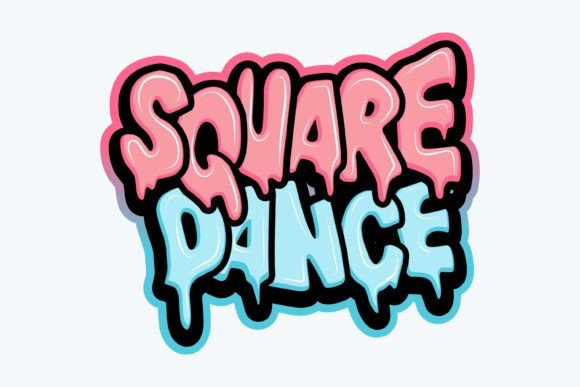
As an embroidery designer and product reviewer, I’ve evaluated countless machine embroidery designs over the years. Square Dance stands out as a bold, expressive piece that feels like it was crafted with real-world use in mind. Its graffiti lettering typography art illustration offers a modern, edgy aesthetic that could elevate a range of projects—from custom apparel to handmade gifts.
First Impressions: A Bold Visual Statement
Square Dance immediately grabs attention with its dynamic layout and strong visual personality. The graffiti-style lettering is clean yet rebellious, making it ideal for casual, urban-themed projects. The design’s shape is compact but impactful, with enough detail to make it stand out without overwhelming the space.
The theme is unmistakably modern, leaning into the street art vibe that many small business owners and crafters love. It’s perfect for t-shirt designs, tote bags, or embroidered patches that need a punch of character. The layout suggests it works best on flat surfaces where the full design can be seen clearly—think sweatshirts, caps, or even baby onesies with a twist.
Real-World Use: Where Square Dance Shines
I tested Square Dance on a variety of fabrics and project types, and it performed well across the board. As a machine embroidery design, it translates smoothly into satin stitch and fill stitch patterns, maintaining clarity even at smaller sizes. The 100% editable vector file gives me full control over scaling and placement, which is essential for custom apparel and personalized gifts.
For a recent project, I used Square Dance on a tote bag design. The result was sharp and professional, with enough detail to make the piece feel unique. It also worked well as a sweatshirt embroidery, adding a fresh look to an otherwise basic garment. The design’s versatility makes it a solid choice for Etsy sellers, craft fair vendors, and small shop products looking for a standout graphic.
One thing I noticed is that Square Dance benefits from a bit of negative space. Too much detail in tight areas can cause stitching issues, especially on thin or stretchy fabrics. That said, when properly stabilized and hooped, it holds up well even on textured materials.
Where to Be Cautious: Limitations and Considerations
While Square Dance is a strong design, it’s not without limitations. On small hoop sizes, some of the finer details may get lost, so it’s best to avoid using it on items like caps or baby clothes where the design will be confined to a limited area. The same applies to dark fabrics—if the thread color doesn’t contrast well, the design might not pop as intended.
Thin or stretchy fabrics can also be a challenge. Without proper stabilizer, the stitches may pucker or distort, especially in dense areas. I recommend testing the design on scrap fabric before committing to a finished product. This is especially important if you’re planning to sell it as a digital embroidery file or use it in commercial embroidery projects.
Another consideration is the design’s suitability for layered garments or curved surfaces. Square Dance isn’t ideal for intricate applique designs or detailed corners that require precise stitching. If you're looking for something that works on all kinds of surfaces, this might not be the best fit.
Impact on Visual Appeal and Customer Perception
Square Dance adds immediate visual interest to any project it’s applied to. Its graffiti style gives a sense of personality and creativity, which can be a big draw for customers looking for something different. For handmade products or personalized gifts, this kind of design can significantly boost perceived value and customer trust.
From a branding perspective, Square Dance is a strong asset. It’s versatile enough to fit into a variety of niches—whether you’re creating holiday embroidery, wedding gifts, or boutique merchandise. The design’s clean lines and bold look make it easy to integrate into a cohesive brand identity.
When used correctly, Square Dance can enhance giftability and recognition. Customers often remember unique, eye-catching designs, and this one has that quality. It also works well in printable mockups, giving you a clear idea of how it will look on different items before you start stitching.
Practical Designer Notes: Tips for Success
Before using Square Dance in your own projects, here are a few practical tips:
- Test on scrap fabric: Always check how the design looks on the actual material you plan to use.
- Check thread color contrast: Ensure the thread color complements the fabric and highlights the design’s details.
- Review stitch density: Adjust as needed to prevent puckering or distortion, especially on delicate fabrics.
- Confirm hoop size: Make sure the design fits comfortably within your hoop to avoid stitching issues.
- Inspect small details: Pay attention to corners and fine lines to ensure they translate well in embroidery.
- Test in black and white: This helps you see how the design looks without color, which is useful for mockups and previews.
- Compare light and dark backgrounds: The design may look different depending on the fabric color.
- Use proper stabilizer: This is crucial for maintaining stitch quality, especially on stretchy or textured materials.
- Verify licensing: Make sure you have the right to use Square Dance for both personal and commercial projects.
Final Thoughts: A Versatile and Expressive Design
Square Dance is more than just a graphics file—it’s a creative tool that can bring energy and personality to your embroidery projects. Whether you’re an Etsy seller, a craft business owner, or a hobbyist, this design has the potential to add value and uniqueness to your work.
It’s not a one-size-fits-all solution, but when used in the right context, it delivers strong results. With careful planning and testing, Square Dance can become a go-to design for custom apparel, personalized gifts, and small shop merchandise. Just remember to consider the fabric, hoop size, and stitch density to get the best outcome possible.