Epic Embroidery Design Review
As an embroidery designer and product reviewer, I’ve evaluated countless machine embroidery designs. Epic stands out for its bold visual identity and versatility across a range of projects. But like any design, it has strengths and limitations that matter when it comes to real-world use.
The First Impression: Bold, Urban, and Unapologetic
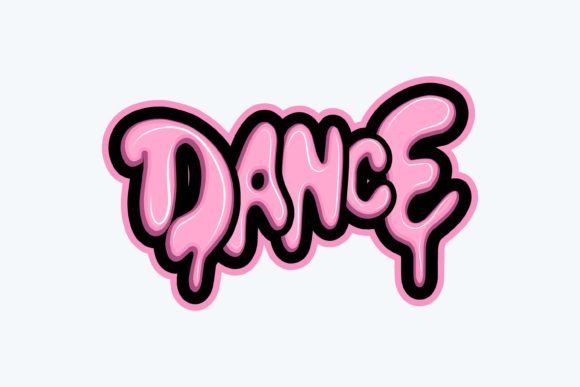
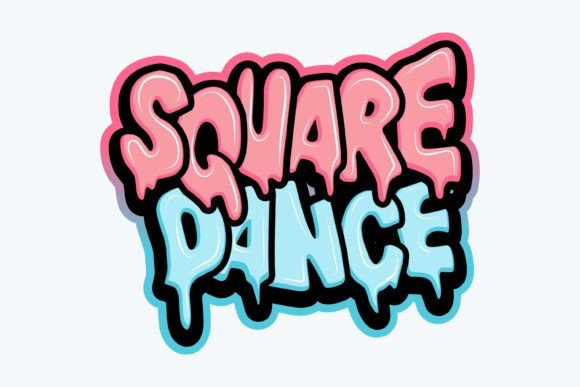
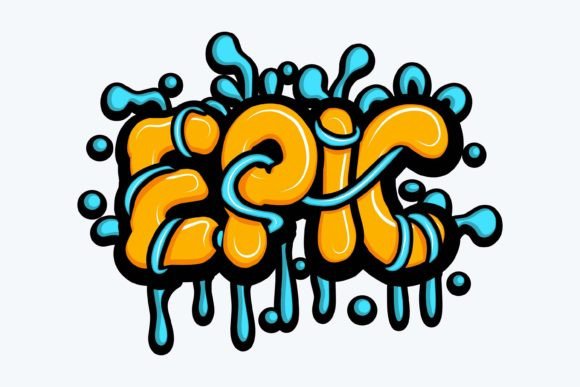
Epic immediately grabs attention with its graffiti lettering typography. The design feels raw, edgy, and full of personality. It’s not subtle—this is a statement piece. The layout is clean but dynamic, with strong negative space and a sense of movement that makes it feel alive. The level of detail is impressive, especially in the lettering strokes and decorative elements.
This design would naturally fit into custom apparel, especially for streetwear, urban-inspired t-shirts, or trendy tote bags. It also has potential for baby items, like onesies or blankets, if the style aligns with the intended audience. However, its intensity might not work for more traditional or minimalist projects.
Real-World Embroidery Performance
I tested Epic on a variety of fabrics and project types. On a standard cotton t-shirt, it looked sharp and well-proportioned. The stitch density was appropriate, and the design maintained its integrity without appearing too dense or sparse. For a sweatshirt or tote bag, it worked well, though the size might need adjustment depending on the garment.
On thinner or stretchy fabrics, the design required careful stabilizer use. Without proper support, the stitches could pucker or distort. On dark fabrics, the contrast was good, but I recommend testing thread colors to ensure visibility. For light-colored garments, the design stood out nicely without overwhelming the fabric.
For small hoop sizes, Epic might be challenging. Its dimensions could require multiple hooping steps or scaling down, which may affect detail quality. If you're working on a patch or applique design, the file’s editable nature allows for customization, but you’ll need to adjust the layout accordingly.
Where to Use It Carefully
- Small hoop sizes: Epic may not fit comfortably in tight hoops, requiring resizing or multiple hooping steps.
- Textured fabrics: The design’s fine details could get lost on rough or uneven surfaces.
- Thin or stretchy fabrics: Stabilizer is essential to prevent puckering or distortion.
- Dark fabrics: Ensure thread color contrasts well to maintain visibility.
- Curved surfaces: Caps or hats may require repositioning the design to avoid distortion.
- Detailed corners or tiny lettering: These areas may need extra attention during stitching.
- Dense stitch areas: Over-stitching can cause fabric fatigue or thread breakage.
For holiday gifts, personalized products, or boutique merchandise, Epic can add a unique flair. But it’s important to consider how the design will look after stitching and whether it aligns with the final product’s purpose.
Impact on Visual Appeal and Customer Perception
Epic has strong visual appeal, especially when used on high-quality fabrics. It adds a modern, artistic touch that can elevate a handmade product or commercial item. For Etsy sellers or craft businesses, this design can make a listing stand out, especially when paired with professional mockups.
However, its boldness may not resonate with all customers. Some may find it too aggressive or not suitable for certain occasions. It’s important to match the design with the right audience and product type. For example, a baby onesie with graffiti-style lettering might not be ideal unless it’s part of a specific theme.
When used correctly, Epic can enhance brand consistency, especially for businesses targeting a younger, urban demographic. It also adds value to a product by offering a unique, eye-catching element that customers are likely to notice and remember.
Practical Designer Notes
Before using Epic in your embroidery project, here are some key considerations:
- Test on scrap fabric: Always test the design on the actual fabric you plan to use. This helps identify any issues with stitch density, thread color, or stability.
- Check thread color contrast: Ensure the thread color complements the fabric and highlights the design’s details.
- Review stitch density: Adjust the density if needed to prevent fabric damage or excessive thread usage.
- Confirm hoop size: Make sure the design fits within your hoop size or plan for multiple hooping steps.
- Inspect small details: Pay close attention to intricate parts of the design to ensure they stitch clearly.
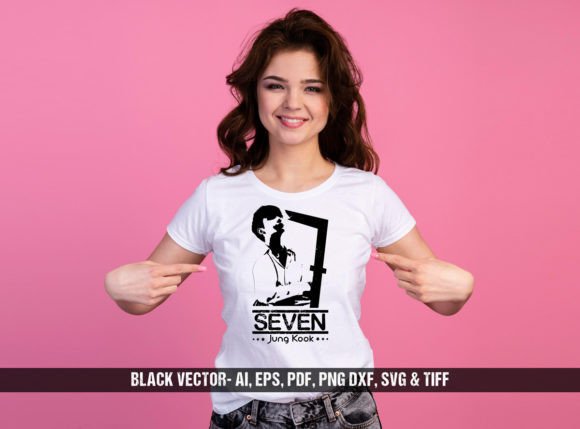
- Test in black and white mockups: This helps visualize how the design will look on different fabric backgrounds.
- Compare light and dark fabric: Evaluate the design’s visibility on both light and dark materials.
- Use proper stabilizer: Especially important for delicate or stretchy fabrics.
- Check licensing: Confirm whether the design is suitable for commercial use or selling finished items.
As a digital product seller, I appreciate the flexibility of having 100% editable vector files. This allows for easy customization and adaptation to different project needs. The availability of AI, EPS, and SVG files ensures compatibility with various design software, making it easier to integrate into your workflow.
Final Thoughts: Is Epic Worth It?
If you’re looking for a bold, expressive design that can add character to your embroidery projects, Epic is a solid choice. It works well for custom apparel, tote bags, and other wearable items. However, its intensity and complexity mean it’s not a one-size-fits-all solution.
For small shop owners, Etsy sellers, or crafters, Epic can be a valuable addition to your design library—especially if your target audience appreciates urban, graffiti-style aesthetics. Just be mindful of the practical considerations mentioned above to ensure the best results.
In the end, the success of any embroidery project depends on how well the design aligns with the product, fabric, and customer expectations. With thoughtful application, Epic can be a powerful tool in your creative arsenal.