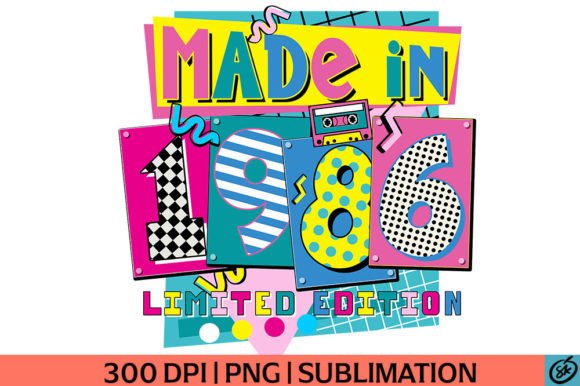
Made in 1986 PNG Sublimation
As a designer who’s spent years working with machine embroidery designs, I always start by asking myself: does this file translate well into real-world embroidery? The Made in 1986 PNG Sublimation is a design that immediately catches the eye with its vintage aesthetic and clean lines. It feels like something that could be stitched onto a cotton t-shirt or a canvas tote bag, but there are nuances to consider before jumping into a project.
The First Impression
When I first opened the Made in 1986 PNG Sublimation, I was struck by how straightforward it is. The transparent background allows for easy placement on any fabric, and the 300 DPI resolution ensures clarity when resized. The design has a retro feel—think old-school typography with a slight wear and tear effect that gives it character. It’s not overly detailed, which makes it ideal for simpler embroidery projects where too much complexity might overwhelm the fabric or the stitching machine.
This design naturally fits into custom apparel, especially for those looking to create a nostalgic vibe. It could work well as a sweatshirt embroidery, a tote bag design, or even an embroidered patch for a jacket or bag. The layout is balanced, and the text is large enough to be readable without needing tiny stitches.
Real-World Embroidery Performance
Testing the Made in 1986 PNG Sublimation on a few different fabrics gave me a good sense of how it performs. On a standard cotton t-shirt, it looked clean and professional. The stitch density wasn’t too heavy, so it didn’t add unnecessary bulk. However, if I were to use it on a more textured fabric like a denim jacket, I’d need to adjust the stabilizer to prevent puckering or distortion.
For baby clothes or delicate items, I’d be cautious about using this design. The font is bold, but the edges might not hold up well on thin or stretchy materials. If I were creating a personalized gift, like a baby onesie, I’d want to make sure the design doesn’t get lost in the fabric texture.
On dark fabrics, the design might require a white underlay or a different thread color to stand out. That said, the transparency of the PNG file makes it easy to adjust for different backgrounds. I’d recommend testing it on both light and dark fabrics before committing to a larger project.
Where to Use With Caution
There are a few situations where the Made in 1986 PNG Sublimation might not be the best choice. Small hoop sizes can be problematic because the design is somewhat large. If you’re working on a cap or a small patch, you might need to scale it down, which could affect the clarity of the text.
Curved surfaces like caps or hats also pose a challenge. The design is flat, so it might not sit well on a rounded surface. For embroidered patches, it could work, but I’d check how it looks when sewn onto a curved backing.
If you’re planning to use this as part of a layered garment or a product with multiple elements, you’ll want to ensure that the design doesn’t clash with other patterns or colors. It’s also worth noting that dense stitch areas might cause the fabric to pucker, so a good stabilizer is essential.
Impact on Visual Appeal and Customer Perception
The Made in 1986 PNG Sublimation has a strong visual identity that could enhance the value of your handmade products. Its vintage look is appealing and could attract customers looking for a retro style. When used correctly, it adds a sense of authenticity and craftsmanship to any finished product.
For small shop owners or Etsy sellers, this design could be a great addition to your catalog. It’s versatile enough to be used in a variety of contexts, from holiday gifts to boutique merchandise. However, it’s important to present it in a way that highlights its quality—like using printable mockups or high-resolution previews.
Customer trust often comes down to consistency and professionalism. If the design is well-executed and matches what’s shown in your listings, it can increase buyer engagement and repeat business. On the flip side, if the final product doesn’t match the digital version, it could lead to dissatisfaction.
Practical Designer Notes
Before using the Made in 1986 PNG Sublimation in a commercial project, I always recommend doing a few tests. Start with a scrap piece of fabric to see how the design looks in real life. Check the thread color contrast—especially if you're using dark or patterned fabrics. A white thread might not show up well on a black shirt, for example.
Review the stitch density to make sure it’s appropriate for the fabric you’re using. Too many stitches in one area could cause the fabric to stretch or pill over time. Confirm the hoop size needed for the design and make sure your machine can handle it. If the design is too big for your hoop, you may need to split it into sections.
Inspect the small details, like corners and lettering, to ensure they’re clear and won’t get lost during stitching. Test the design in black and white mockups to see how it looks without color. Compare it against both light and dark fabric backgrounds to determine the best thread color for your project.
Finally, make sure you understand the licensing terms before selling anything. Even though the design is a PNG file, using it in commercial products might require specific permissions. Always double-check the terms provided by the seller.
Conclusion
The Made in 1986 PNG Sublimation is a solid choice for designers looking to add a vintage touch to their embroidery projects. It’s clean, versatile, and works well on a range of fabrics and garments. However, like any design, it requires careful consideration to ensure it meets the needs of your specific project.
Whether you're creating custom apparel, personalized gifts, or small shop merchandise, this design has the potential to elevate your work. Just remember to test it thoroughly, adjust for fabric type, and always prioritize quality in your finished product.