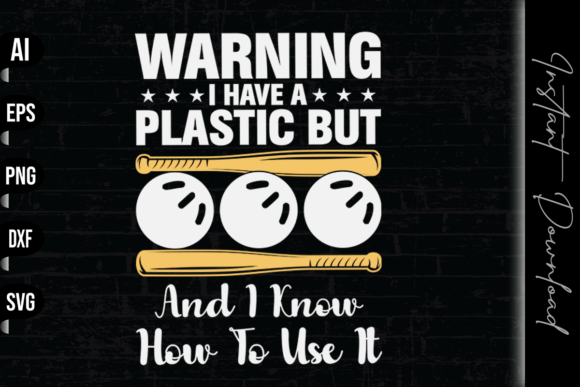
I Have a Plastic but I Know How to Use
As an embroidery designer and product reviewer, I’ve seen countless designs come and go. Some are eye-catching but impractical, while others are functional but lack personality. The I Have a Plastic but I Know How to Use design sits in that sweet spot—simple yet clever, with a clear purpose that translates well across various projects. Let’s dive into how this design performs in real-world embroidery scenarios and what it means for your creative workflow.
The First Impression
From the moment I saw I Have a Plastic but I Know How to Use, it felt like a design that could spark conversation. The phrase is bold, humorous, and slightly self-deprecating, which makes it relatable. It has a clean layout with a strong visual presence, making it ideal for custom apparel, tote bags, or even as a patch on an apron. The design isn’t overly detailed, which is a plus for embroidery—less complexity often means better stitchability and fewer issues during production.
Real-Life Embroidery Scenarios
Imagine you're working on a custom embroidered tote bag for a client who wants something unique. I Have a Plastic but I Know How to Use would stand out without being overwhelming. It works well on a t-shirt or hoodie, where the message can be read clearly from a distance. For baby items, such as onesies or blankets, the design adds a playful touch that parents might appreciate. It also fits nicely on caps or patches, where space is limited but impact is important.
This design thrives in environments where simplicity is key. It’s not the best choice for intricate details or dense stitching, but that’s okay. Its strength lies in its clarity and ease of execution. Whether you’re creating a handmade product for an Etsy shop or a small business item for a local boutique, I Have a Plastic but I Know How to Use offers a straightforward, effective solution.
Where to Be Cautious
While I Have a Plastic but I Know How to Use is versatile, there are situations where it may not perform as well. If you're working with small hoop sizes, the design might require multiple hooping, which can be time-consuming. On textured fabrics or thin materials, the stitches may not sit as smoothly, and the design could lose some of its definition. Similarly, stretchy fabrics might cause the design to distort if not stabilized properly.
For dark fabrics, the thread color choice becomes crucial. A light-colored thread might not show up well, so testing on different backgrounds is essential. If you're planning to use this on curved surfaces like caps or on products that need frequent washing, consider the durability of the stitches and the potential for wear over time.
Visual Appeal and Customer Perception
I Have a Plastic but I Know How to Use has a strong visual appeal that can elevate the value of any finished product. Its simplicity allows it to blend well with other design elements, making it a great choice for layered or mixed-media projects. When used on a handmade product, it adds a personal touch that customers often appreciate. It also helps build trust—when a design is clear and well-executed, it signals professionalism and attention to detail.
As a designer, I know that the right embroidery design can make or break a product. I Have a Plastic but I Know How to Use doesn’t just look good; it feels intentional. Whether it's on a personalized gift, a holiday ornament, or a commercial embroidery project, it carries a sense of authenticity that resonates with buyers.
Practical Designer Notes
Before committing to any embroidery project, I always recommend testing the design on scrap fabric. This helps identify any potential issues with stitch density, thread color contrast, or stabilizer use. For I Have a Plastic but I Know How to Use, checking the design in black and white mockups can help determine how it will look on different fabric backgrounds.
It’s also wise to confirm whether the design works for both personal and commercial use. While the product description mentions it can be used for many purposes, it’s important to verify licensing terms before selling finished items or digital products. If you're running a craft business or an Etsy shop, ensuring that your design assets are legally sound is a critical step.
Final Thoughts
I Have a Plastic but I Know How to Use is a solid choice for designers looking for a practical, easy-to-use embroidery design. It’s not the most complex, but that’s part of its charm. It works well across a range of applications, from custom apparel to small shop merchandise, and it has the potential to enhance both the aesthetic and commercial value of your work.
If you're an embroidery designer, small business owner, or craft entrepreneur, this design is worth considering for your next project. Just remember to test it thoroughly, choose the right thread colors, and pay attention to fabric type and hoop size. With the right approach, I Have a Plastic but I Know How to Use can become a valuable addition to your design portfolio.