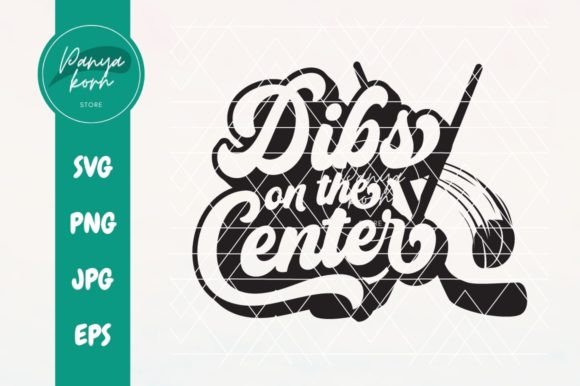
Dibs on the Center
As an embroidery designer and product reviewer, I often find myself evaluating new designs with a critical eye—looking at how they’ll perform in real-world projects, how they’ll translate to different fabrics, and whether they’ll stand up to the demands of both handmade and commercial use. Dibs on the Center is one such design that caught my attention for its clear visual identity and versatility across multiple applications.
First Impressions: A Bold Statement with Purpose
The first thing that stands out about Dibs on the Center is its strong, clean layout. It’s a design that immediately communicates a sense of confidence and clarity, making it ideal for projects that require a bold, recognizable image. The shape is straightforward, with a central focus that doesn’t get lost in unnecessary detail. This makes it well-suited for custom apparel, especially when used as a tote bag design or sweatshirt embroidery.
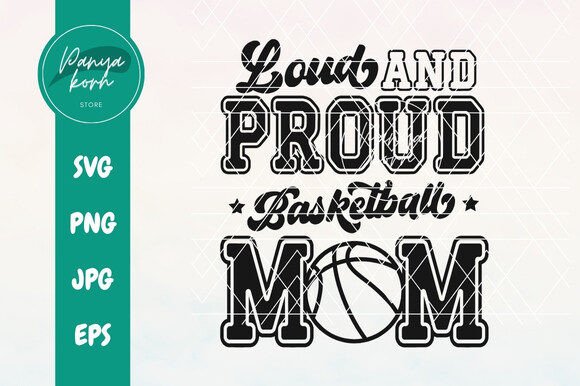
The theme is centered around sports and coaching—perfect for hockey moms, coaches, and game-day enthusiasts. It has a casual yet professional feel, which means it can easily transition from a personalized gift to a small shop product without feeling out of place.
Real-World Embroidery Performance
When testing Dibs on the Center on different materials, I found that it performs best on medium-weight fabrics like cotton t-shirts, sweatshirts, and tote bags. The design’s simplicity allows it to maintain clarity even on textured surfaces, though I’d advise caution when using it on thin or stretchy fabrics where the stitches might pull or distort.
For baby items or nursery decor, the design works well if kept within a smaller hoop size. However, I noticed that the details in the corners could become slightly blurred if not carefully stitched. This makes it less ideal for intricate patches or items that require high precision, but still suitable for most basic embroidery projects.
One area where Dibs on the Center shines is in holiday or themed embroidery. Whether it’s for a sports-themed gift or a custom apron for a coach’s wife, the design feels timely and relevant without being too niche. It also pairs well with other sports-related motifs, making it a great addition to a collection of design assets.
Where to Use It Carefully
While Dibs on the Center is versatile, there are certain scenarios where it may not be the best choice. For instance, on dark fabrics, the design’s contrast can be a bit muted unless you use a contrasting thread color. This is something to consider if you’re planning to sell it as a digital embroidery file or use it for commercial embroidery.
Small hoop sizes can also be a challenge. If you’re working on a cap or a patch, you may need to split the design into sections to ensure all details are properly stitched. Similarly, on curved surfaces, the design may require some adjustment to maintain its integrity during the stitching process.
For thick or layered garments, I recommend using a proper stabilizer to prevent puckering or distortion. This is especially important if you’re planning to use the design on a custom apparel item that will be worn frequently or washed often.
Impact on Visual Appeal and Customer Perception
Dibs on the Center adds a strong visual presence to any project it’s used on. Its clean lines and minimal detail make it easy to recognize, which is great for brand consistency and customer recognition. When used on a tote bag or sweatshirt, it elevates the overall look of the finished product, making it more appealing to buyers looking for a stylish, personalized item.
From a handmade product perspective, this design offers a good balance between simplicity and impact. It’s easy to stitch, doesn’t require excessive thread or complex techniques, and still delivers a professional finish. This makes it a solid choice for Etsy sellers, craft fair vendors, and small shop owners who want to offer quality products without overcomplicating their workflow.
When used in commercial embroidery projects, Dibs on the Center can help build trust with clients. Its clarity and ease of use mean that it’s less likely to cause issues during production, reducing the risk of errors or rework. This is especially valuable for designers who are managing multiple projects at once.
Practical Designer Notes
If you’re planning to use Dibs on the Center in your own work, here are a few key tips to keep in mind:
- Test on scrap fabric first to see how the design looks on different materials and with various thread colors.
- Check stitch density to ensure it’s appropriate for the fabric you’re using. Too dense, and it may pucker; too light, and it may not hold up well.
- Confirm hoop size before starting, especially if you’re working on a curved surface or a small item.
- Inspect small details closely, as some elements may require additional stabilization or careful stitching.
- Use black and white mockups to evaluate how the design looks in different lighting conditions and on various backgrounds.
- Compare light and dark fabric options to determine the best thread color for your intended use.
- Ensure proper stabilizer use for stretchy or textured fabrics to maintain stitch quality.
- Verify licensing if you plan to sell finished items or digital products, as this can vary depending on the source of the embroidery file.
Final Thoughts: A Solid Choice for Practical Projects
Dibs on the Center is a design that checks many boxes for practical embroidery use. It’s clear, confident, and adaptable, making it a great fit for a wide range of projects—from custom apparel to personalized gifts. While it may not be the most intricate design on the market, its simplicity and strength make it a reliable choice for both hobbyists and professionals alike.
Whether you’re an Etsy seller looking for fresh design assets or a small business owner wanting to expand your product line, Dibs on the Center offers a solid foundation for creating meaningful, high-quality embroidered items. Just remember to test it thoroughly and consider the specific needs of your project before finalizing your design choices.